
0 items in Cart
Your cart is empty

Have artwork, antiques, collectibles, memorabilia or something unusual you want to sell? For these categories, Gulf Coast's primary role is not to purchase the property outright — we research it, help establish an appropriate auction estimate, catalog it and bring it to market through Gulf Coast Auctions.
Gulf Coast directly buys many of the coins, precious metals, jewelry and watches that come through our doors. Artwork, antiques, collectibles and memorabilia generally follow a different path.
Rather than making an immediate purchase offer on these categories, our auction team evaluates whether the property is appropriate for consignment.
When accepted, we research the item and its market, establish an appropriate auction estimate, prepare the item for the catalog and offer it to bidders through Gulf Coast Auctions.
A maker's mark, signature, label, inscription, old receipt, photograph or family history can all give our team somewhere to start. Bring any information that came with the item and do not clean, restore or alter it beforehand.
Gulf Coast auctions can include property across a broad range of categories. Suitability depends on the individual item, collection, condition and current market.
Paintings, prints, drawings, sculpture and other artwork. Artist, signature, medium, size, condition, provenance and comparable sales may all contribute to our research.
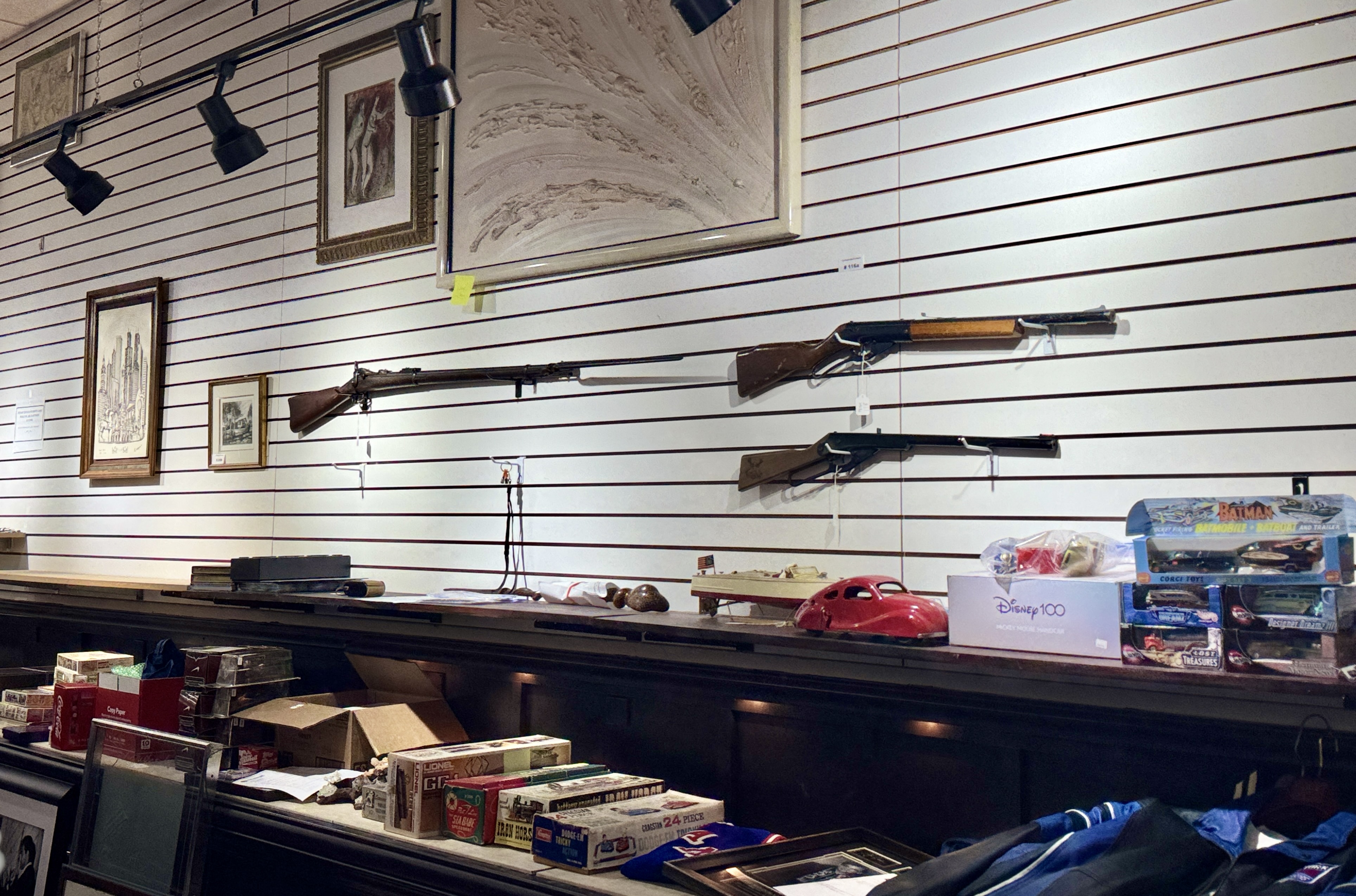
Selected antique and vintage objects, decorative pieces, china, porcelain and other property with an established secondary market may be considered for auction.
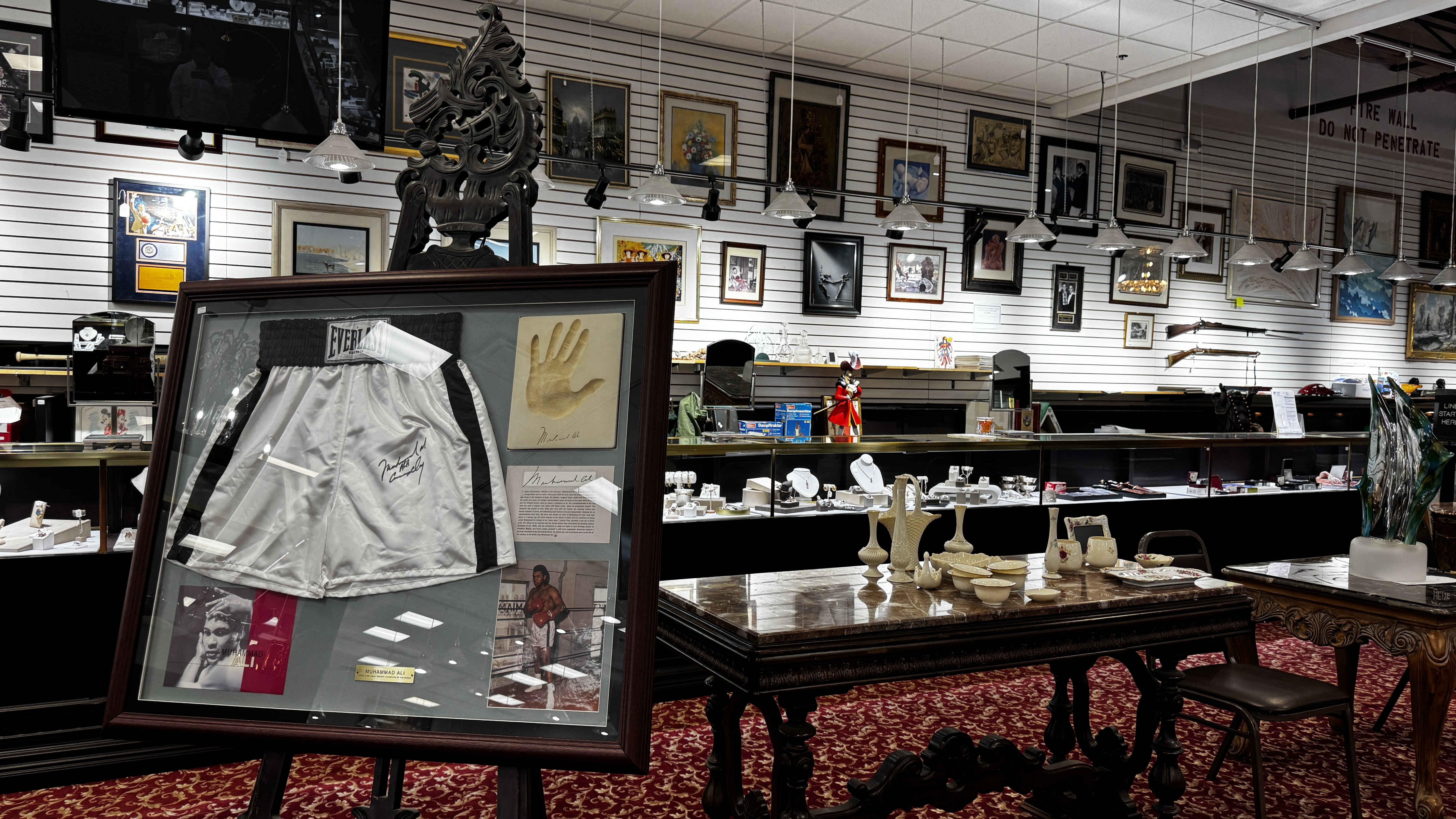
Established collectibles, specialty collections, vintage objects and unusual pieces with identifiable collector demand may be suitable for consignment.
Historical, sports, entertainment, advertising and other memorabilia may have value when there is collector demand, documented significance or a recognizable market.
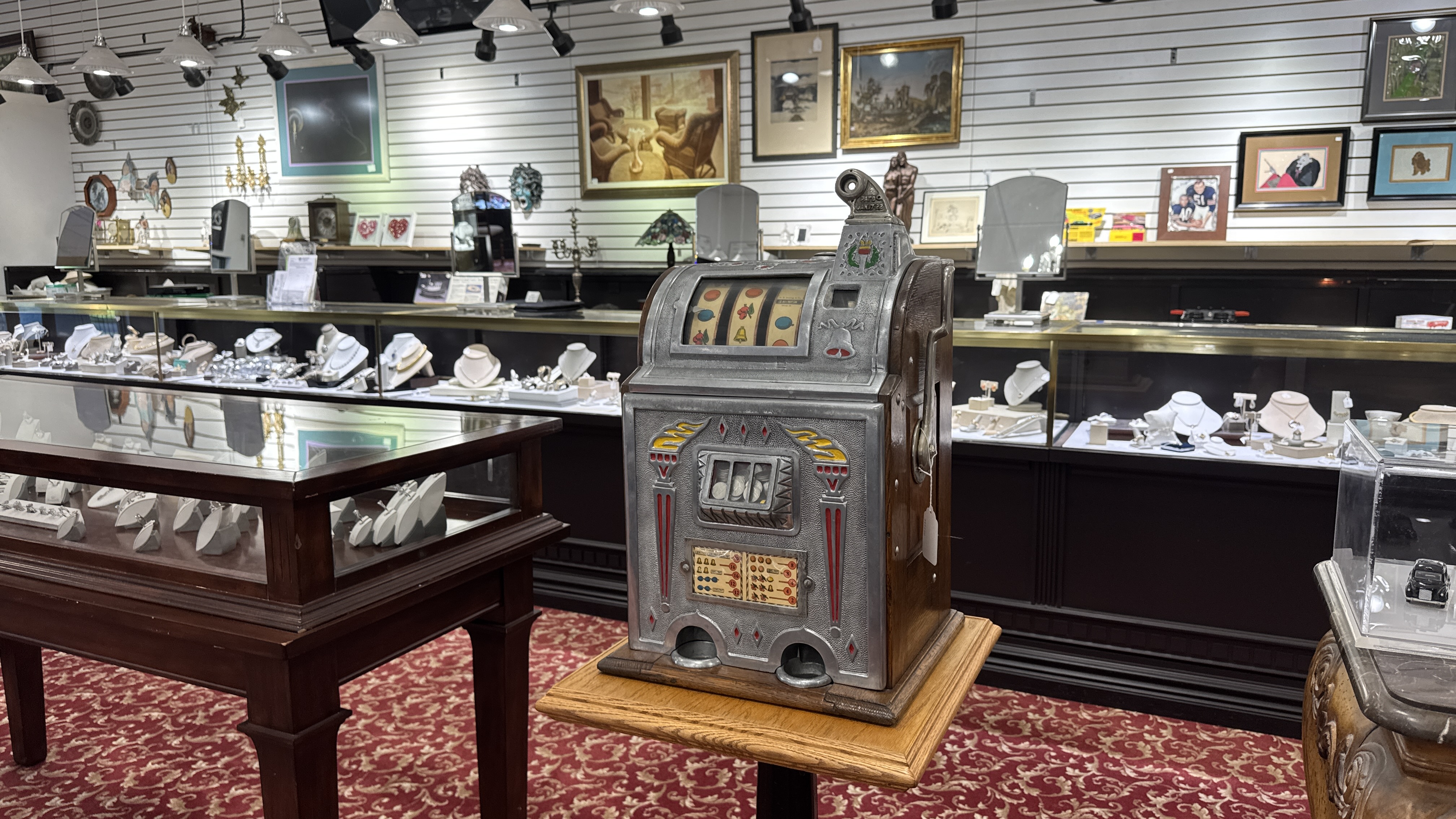
Unusual objects don't always fit neatly into one category. If there is an identifiable collector market, it may be worth showing our auction team.
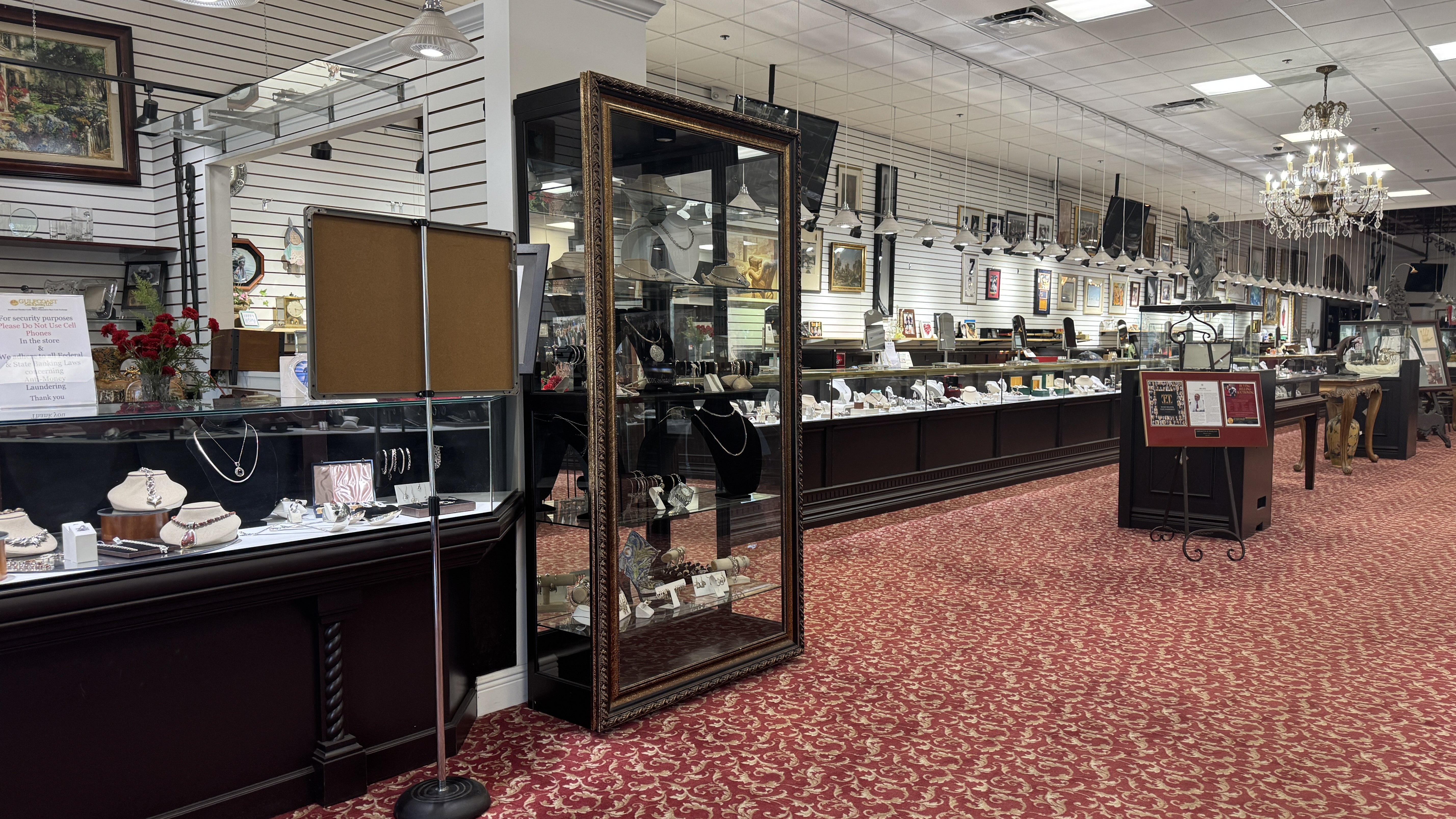
Collections and estates may contain artwork, jewelry, watches, coins, antiques and collectibles together. Show us the complete picture before deciding what belongs where.
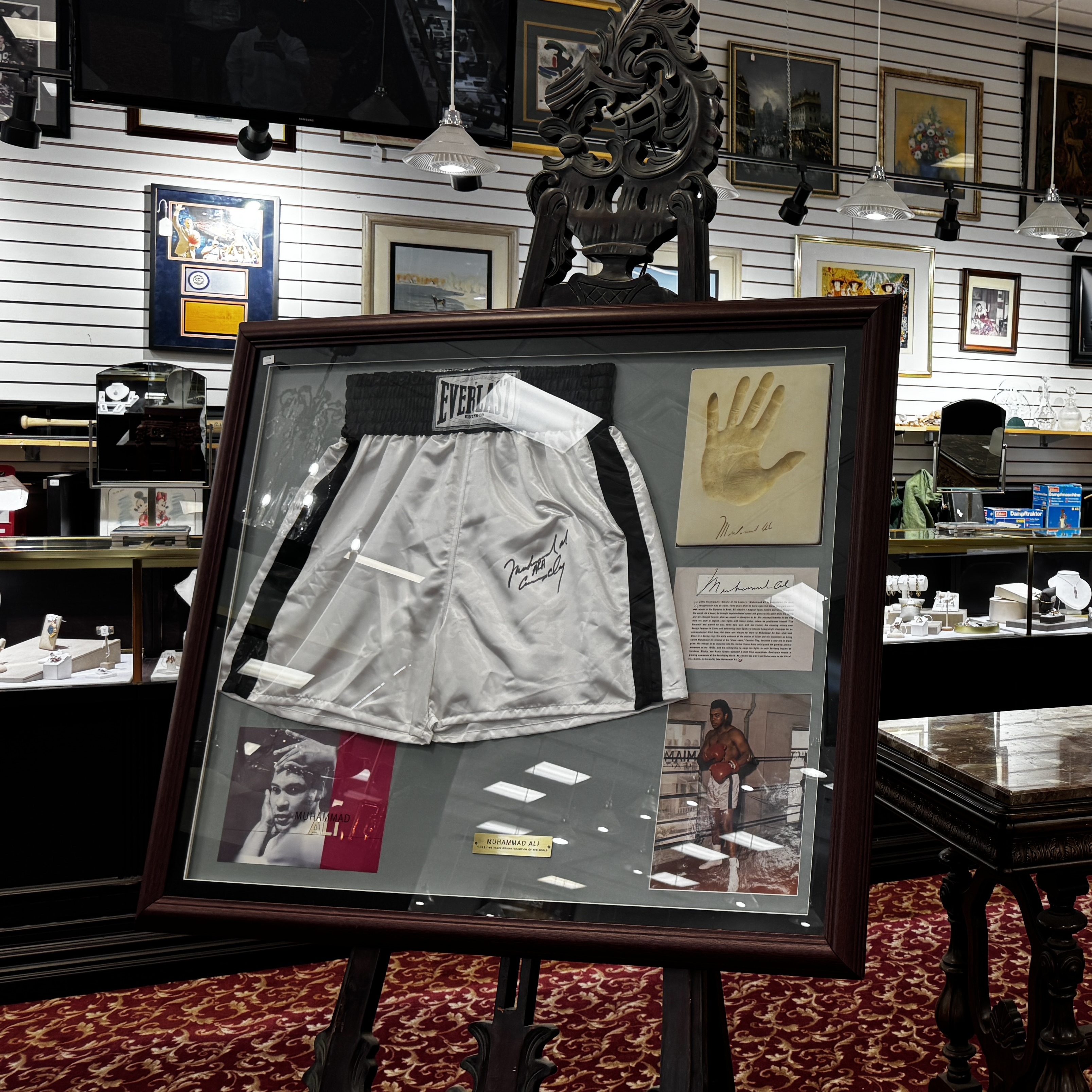
Artwork is not priced simply because it is old, signed or visually impressive. The market can depend on who created it, what the work is, its medium, size, condition, provenance and whether comparable works have an active market.
Our role is to investigate the information available and look at relevant market evidence before the work enters the auction catalog.
Good auction presentation starts before the photographs and bidding. The first job is understanding what the property is and how similar material has performed in the marketplace.
We look at the item, photographs and any information, markings, signatures, labels, receipts or history that accompanies it.
Our auction team researches relevant makers, artists, comparable items, previous auction results and available market information.
The research helps us establish a reasonable estimate and determine how the property should be positioned for auction.
Accepted property is cataloged, photographed and presented to bidders through Gulf Coast Auctions.
There isn't a single price guide that answers every question in the collectibles market. Research often means identifying the object first and then finding the most relevant evidence available.
Previous auction results and comparable sales can help show what similar material has actually attracted in the market. The closer the comparison, the more useful that information becomes.
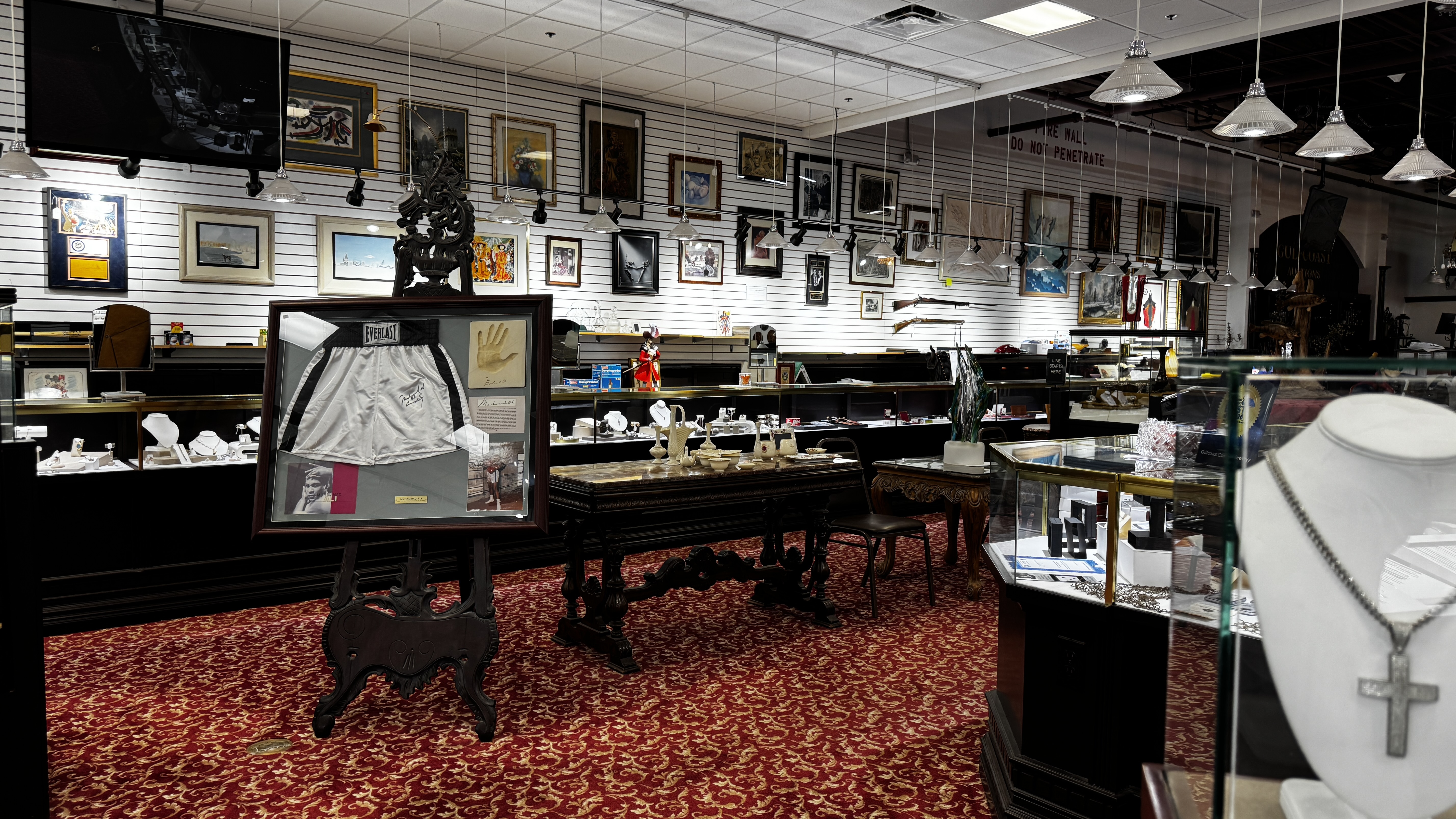
Research helps establish a reasonable framework for presenting property to the market, but an auction ultimately depends on bidder participation and demand on the day of sale.
Comparable sales are evidence of previous market activity — not a promise that another item will achieve the same result. Condition, provenance, timing, bidder interest and differences between seemingly similar objects can all affect the outcome.
Once appropriate property is accepted for consignment, the goal changes from researching what it may be worth to presenting it effectively to prospective bidders.
Gulf Coast prepares the lot for auction, builds the catalog entry and gives interested bidders the opportunity to compete for the property.
Organizing the information bidders need to understand what is being offered.
Presenting the property visually so bidders can evaluate the lot.
Placing accepted lots in front of Gulf Coast's auction audience and participating bidders.
Letting interested bidders compete to determine the final hammer price.
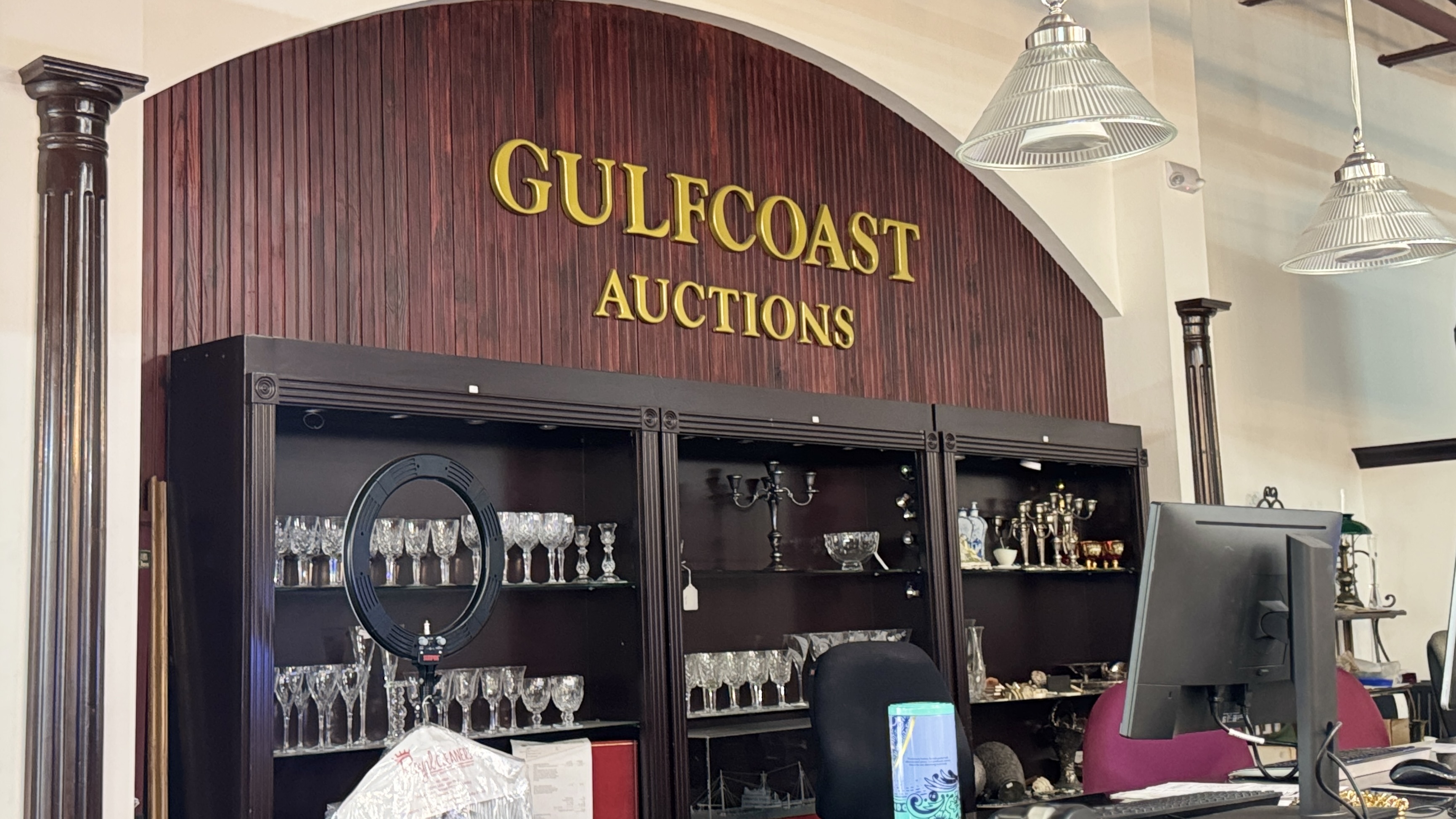
Some of the most interesting auction property doesn't fit neatly under “art,” “antiques” or “collectibles.”
If you inherited something unusual, found an object while clearing an estate or have owned something for years without knowing much about it, send us photographs and whatever information you have.
We can determine whether it is something appropriate for further research and possible auction consignment.
Get an Expert OpinionAn estate might contain coins that Gulf Coast can purchase directly, jewelry that belongs with our jewelry department, a collectible watch, artwork suited for auction and boxes of memorabilia requiring research.
Those are different markets. There is no reason to force every item into the same method of sale.
Gulf Coast can help route different categories to the people and selling methods appropriate for them.
Common questions about bringing non-coin property to Gulf Coast Auctions.
Artwork and similar collectibles are generally handled through our auction department rather than purchased outright. If appropriate for consignment, we research, catalog and offer the property through Gulf Coast Auctions.
No. Send or bring any information you do have, including signatures, markings, labels, inscriptions, receipts or family history. Those details can help begin the research process.
The process depends on the item. Research may include identification, maker or artist information, condition, provenance, comparable auction results and evidence of current collector demand.
No. An estimate is not a guarantee. The final auction result depends on bidder participation, demand, condition, timing and the individual property being offered.
Selected historical, sports, entertainment, advertising and other memorabilia may be considered for auction. Suitability depends on the individual item, authenticity considerations, condition and collector market.
Yes, larger collections and estates may be reviewed. Different categories within an estate may ultimately be handled differently depending on what the property is and which market is most appropriate.
Generally, no. Cleaning, refinishing or restoration can affect collector interest and may remove information useful during evaluation. Bring the item in its current condition.
Yes. Clear photographs can help our team determine whether the property warrants further review. Include the full item, close-ups of signatures or markings, any damage and any paperwork or provenance you have.
Start by showing us what you have. Send clear photographs of the full item, signatures, markings, labels and any paperwork or history that came with it. Our auction team can determine whether it is appropriate for further research and possible consignment.